Bosch Dishwasher Problems: Not Draining, Not Cleaning, Error Codes
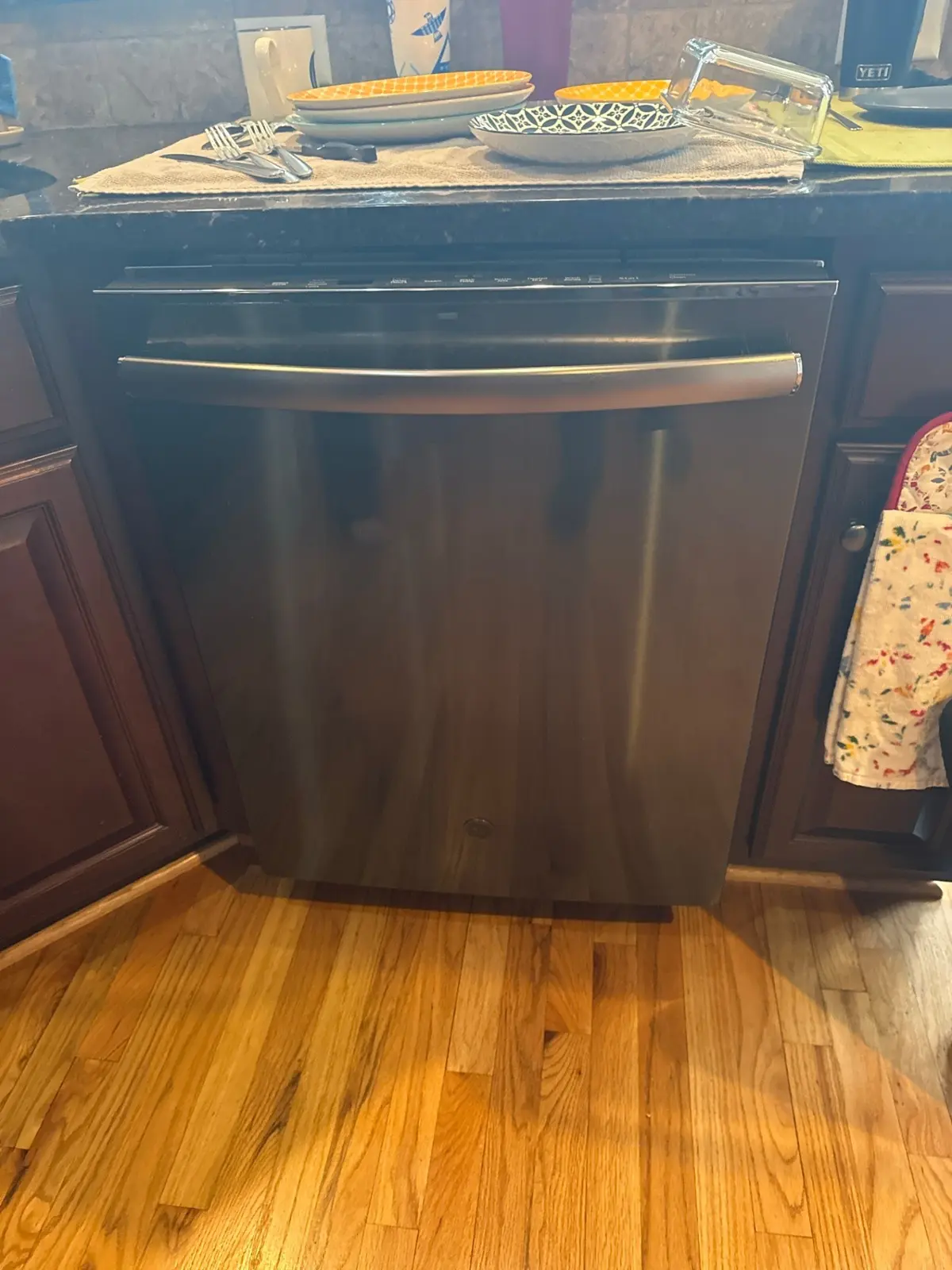
How Bosch dishwashers are different
Bosch dishwashers are built to run quietly and use little water, and a few design choices explain many of the complaints owners have.
- Manual filter. Bosch uses a filter in the bottom of the tub that you twist out and rinse. There is no grinder to chew up food, so a neglected filter is the root of many drain and cleaning problems.
- Condensation drying. Most Bosch models do not use an exposed heating element to dry dishes. They rely on a hot final rinse and condensation, sometimes with added drying features on higher models, so rinse aid matters more than on many other brands.
- Leak protection. A base pan with a float switch detects water underneath the tub and stops the dishwasher if it senses a leak.
Knowing this makes troubleshooting much quicker, because the first checks are almost always the filter, rinse aid and the drain path.
Bosch dishwasher not draining: E24 and E25
On many Bosch dishwashers, E24 means the dishwasher could not drain properly, often because of a kinked drain hose, a clogged filter or a blocked disposal or air gap. E25 commonly points to a blockage at the drain pump itself, typically something caught under the pump cover.
- Turn off the breaker and remove standing water from the tub with a cup and sponge.
- Twist out the filter assembly, rinse both parts and clear the sump.
- On many models, a small plastic pump cover sits in the sump below the filter. It can be popped out with a spoon handle. Look for glass, seeds or labels jammed in the impeller and remove them carefully.
- Check the drain hose under the sink for kinks and confirm the disposal has been run and its knockout plug was removed.
Snap the cover and filter back in, restore power and run a short cycle. If you are weighing the cost of a fix, see our dishwasher repair cost guide.
E15 and water in the base
On many Bosch models, E15 means the leak protection system has detected water in the base pan under the tub. The dishwasher stops filling and may run the drain pump continuously to protect your floor.
Sometimes the cause is minor, such as too many suds from using regular dish soap instead of dishwasher detergent, or a drip from a door seal. Other times it is a cracked hose, a failing pump seal or a leaking valve inside the machine. Water in the base can sit there for a while, so the code may return after a reset even if the original leak was small.
We do not recommend tipping the dishwasher to drain the base pan yourself. It is connected to water, a drain and power, and tilting it can strain those connections or hide a leak that is still active. Turn it off and have it checked. Our page on a leaking dishwasher covers what to watch for in the meantime.
Dishes still wet at the end of the cycle
Wet dishes are the most common Bosch question we hear, and it is often not a fault at all.
- Fill the rinse aid. Bosch drying depends on water sheeting off dishes. With the rinse aid dispenser empty, drying suffers noticeably. You can also raise the rinse aid setting on many models.
- Plastics stay wet. Plastic does not hold heat like glass or ceramic, so with condensation drying it will often have some water left on it.
- Unload the bottom rack first. Water pooled on cup bottoms in the top rack tends to spill onto the lower dishes.
- Use heat options. Settings such as extra dry or sanitize, where available, raise the final rinse temperature.
If dishes come out cold and wet after a normal cycle, the water may not be heating, which points to a heater or flow-through heater pump problem. See our guide on a dishwasher not drying for more detail.
Dishes not getting clean
Food left on dishes, gritty film on glasses or a smell inside the tub usually traces back to water flow or chemistry.
- Dirty filter. A clogged filter recirculates dirty water and starves the spray arms. Clean it every few weeks.
- Blocked spray arms. Remove the spray arms and rinse out the small holes. Seeds and bits of food can plug them.
- Loading. Large pans and cutting boards can block the spray arms or the detergent dispenser door. Spin each arm by hand after loading to check.
- Run hot water first. Running the kitchen tap until it is hot before starting means the first fill is warm rather than cold.
- Detergent. Use fresh dishwasher detergent, and consider rinse aid or a hard-water setting if glasses look cloudy.
Our article on troubleshooting dirty dishes covers spray arm and detergent problems in more depth.
Resetting a Bosch dishwasher
On many Bosch models, pressing and holding the Start or Reset button for a few seconds cancels the cycle and runs a short drain. Turning off the breaker for a minute also resets the control. These steps clear a stored error so the dishwasher can try again after you have cleaned the filter or straightened a hose.
If the same code comes back right away, the reset has done its job by confirming the fault is real. Repeated E24, E25 or E15 codes after the basic checks are a sign that the pump, a valve, a sensor or a hidden leak needs attention. Our Bosch dishwasher error code guide lists more codes and what they commonly mean.
When to call for Bosch dishwasher repair
Schedule a technician if an E15 code appears, if drain codes keep returning with a clean filter and clear hose, if dishes come out cold, or if you find water on the floor. These usually involve the drain pump, heater pump, inlet valve, leak sensor or a seal inside the cabinet.
Mr. Fixer services Bosch dishwashers across Metro Atlanta as part of our dishwasher repair service. Read more on our Bosch appliance repair page. The $80 diagnostic is credited toward the repair, and you approve a written estimate before any work begins. Call (678) 866-3669 or book a visit online.
Need it fixed?
Our technicians handle dishwasher repair across Metro Atlanta, usually the same day. Diagnostic from $80, credited toward your repair.
Call (678) 866-3669FAQs
What does E24 mean on a Bosch dishwasher?
On many Bosch models, E24 means the dishwasher is not draining properly. Common causes are a clogged filter, a kinked drain hose, or a blocked disposal inlet or air gap.
What does E15 mean on a Bosch dishwasher?
On many models, E15 means the leak protection system found water in the base pan under the tub. Turn the dishwasher off and have it checked, since the source can be a hidden leak inside the machine.
Why are my dishes wet after a Bosch cycle?
Most Bosch models dry by condensation, so an empty rinse aid dispenser or a low rinse aid setting is the usual cause. Plastics also tend to stay wet. Cold, wet dishes can point to a heating problem.
How often should I clean a Bosch dishwasher filter?
Every few weeks is a good habit, and more often if you do not scrape plates before loading. A clean filter prevents many drain codes and cleaning complaints.
Is a Bosch dishwasher worth repairing?
Often it is. Pumps, valves, door latches and sensors are common repairs. Our dishwasher repair cost guide and repair versus replacement article can help you decide.
More repair guides
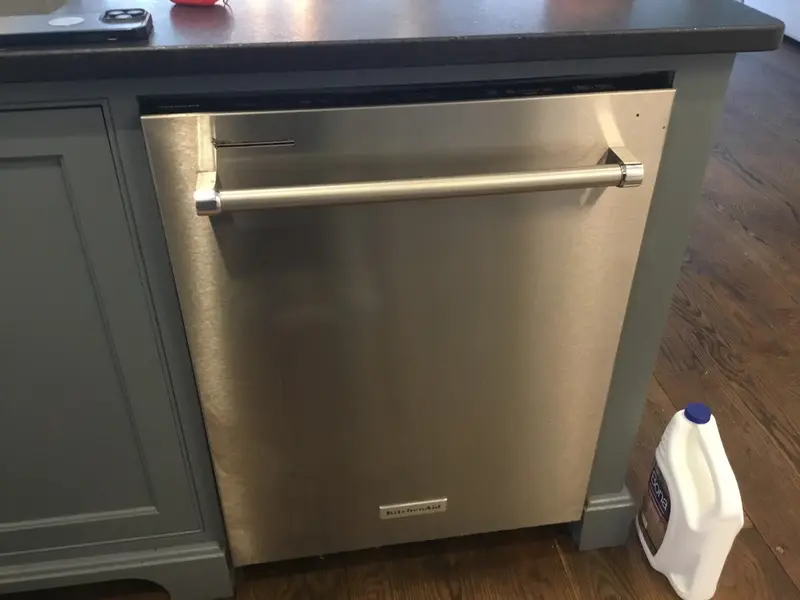
Dishwasher Not Draining: Causes, Safe Checks and When to Call
A dishwasher that will not drain is usually blocked by a clogged filter, a kinked or clogged drain hose, a blocked air gap, or a garbage disposal prob…
Read the guide →
Dishwasher Not Cleaning Dishes? Causes and Fixes
Dishes usually come out dirty because of a clogged filter, blocked spray arms, water that is not hot enough, or poor loading, and those are all things…
Read the guide →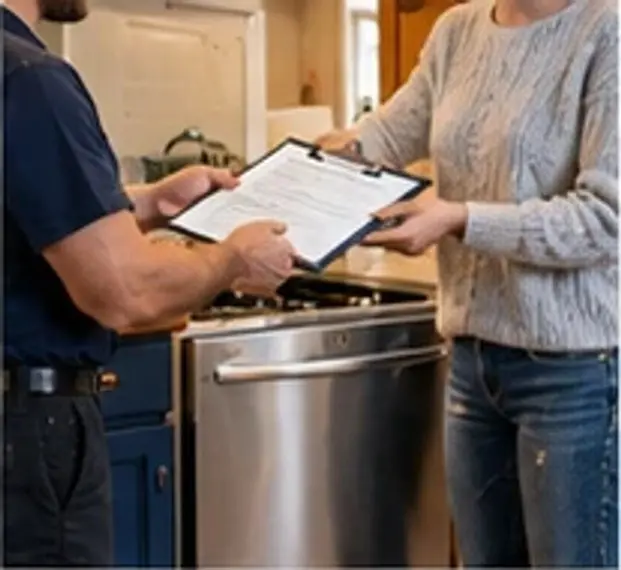
How Much Does It Cost to Fix a Dishwasher in Atlanta?
In the Atlanta area, dishwasher repairs typically run roughly $120 to $450, depending on which part failed, the brand, and how long the job takes, wit…
Read the guide →