
Dishwasher Not Draining: Causes, Safe Checks and When to Call
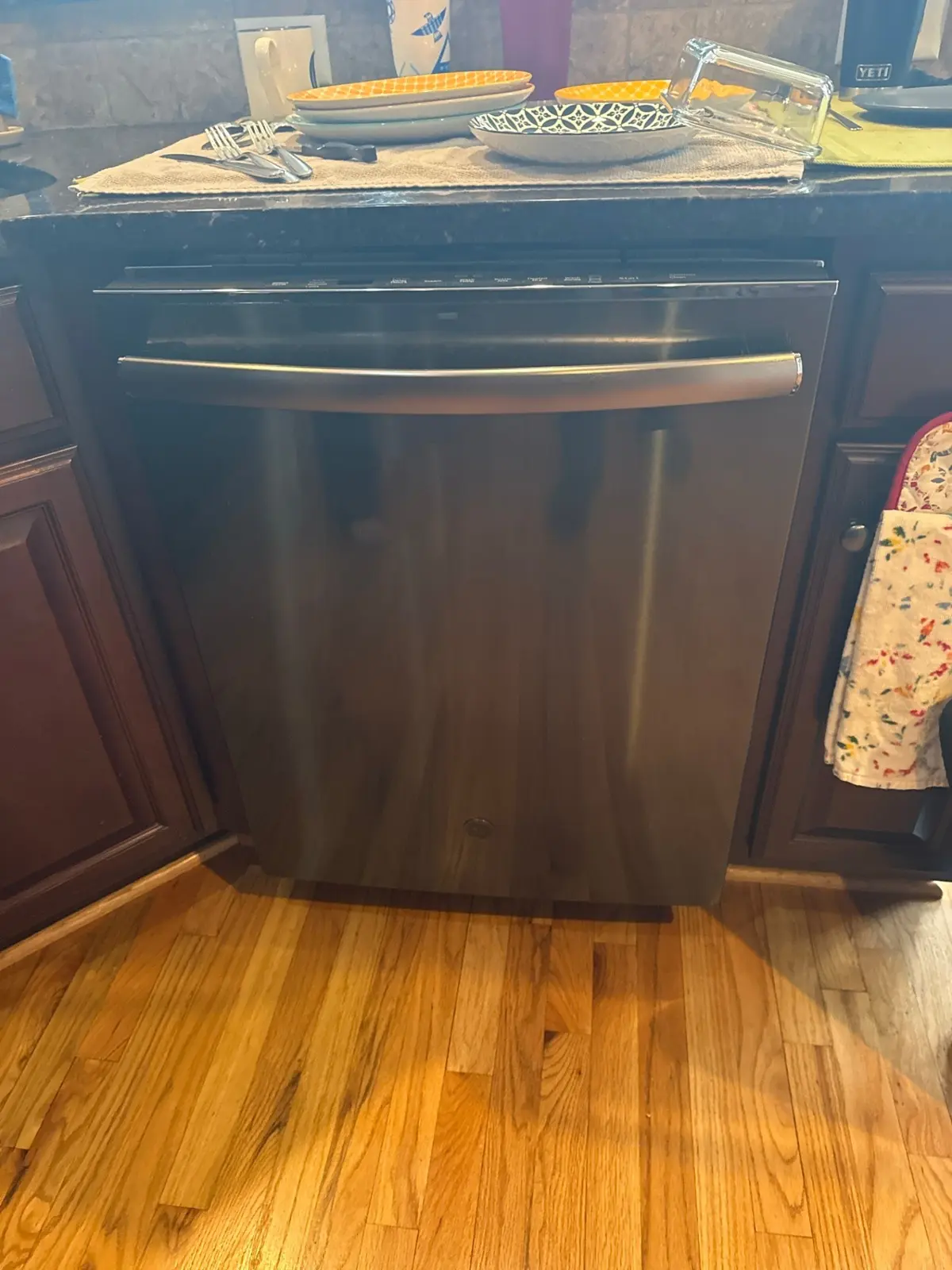
First, make it safe and remove the water
Switch the dishwasher off at its breaker or unplug it from under the sink before you reach inside. Many dishwashers are hard-wired, so the breaker is often the only way to cut power.
Pull out the lower rack and scoop out the standing water with a cup or small container, then soak up the last bit with a sponge or towels. Put a towel on the floor in front of the door, because some water usually spills when you open the filter area.
A small amount of water around the filter after a cycle can be normal on some models, since it keeps seals moist. A pool that covers the bottom of the tub, or dirty water sitting there for days, is not.
Clean the filter and the sump
The filter is the most common cause of a dishwasher that does not drain, and it is also the easiest fix. Most newer dishwashers use a manual filter that the owner is meant to clean regularly, and many people do not know it is there.
- Look in the bottom of the tub, usually under or behind the lower spray arm, for a round cylinder you can twist and lift out.
- Rinse the fine mesh and the coarse filter under warm running water. A soft brush helps with grease and food film.
- Check the opening underneath for bones, glass, fruit pits, labels or pieces of plastic.
- Reinstall the filter and turn it until it locks. A filter that is not seated can let debris into the pump.
If the filter was packed with food, that was likely your answer. Scraping plates before loading and cleaning the filter every few weeks will keep it from happening again.
Check the garbage disposal connection
On most kitchens, the dishwasher drain hose runs into the garbage disposal. Anything that blocks the disposal inlet will back water up into the dishwasher.
- New disposal? A brand-new disposal comes with a knockout plug inside the dishwasher inlet. If it was not removed during installation, the dishwasher cannot drain at all. This is a very common cause right after a disposal is replaced.
- Run the disposal first. Food waste sitting in the disposal can block the inlet. Run the disposal with cold water for a few seconds before starting the dishwasher.
- Disposal not running? A jammed or humming disposal will not clear the line. Our guide to a garbage disposal that hums but does not work explains the safe steps, and we also offer garbage disposal repair.
If the sink itself drains slowly, the clog may be further down the household drain line, which is a plumbing issue rather than a dishwasher one.
Inspect the drain hose and air gap
The drain hose is a ribbed hose that runs from the dishwasher to the disposal or sink drain. Look under the sink and follow it as far as you can.
- Kinks. Hoses get crushed or folded when items are pushed to the back of the cabinet or when the dishwasher is slid into place.
- High loop. The hose should rise up toward the underside of the countertop before dropping to the drain. Without that loop, dirty sink water can flow back into the dishwasher.
- Air gap. Some homes have a small chrome cap on the sink deck next to the faucet. If water spurts from it during draining, the air gap is clogged. Remove the cap and clean out the debris.
Clearing a hose clog fully usually means disconnecting it, which is a reasonable task if you are comfortable with hose clamps, but expect water to come out of both ends.
When the drain pump or check valve is the problem
If the filter is clean, the hose is clear and the disposal works, the drain pump is next in line. Listen during the drain portion of a cycle.
- Humming with no water moving often means something is jammed in the pump impeller, such as a piece of glass or a small bone.
- Total silence when it should be draining may mean the pump motor has failed or is not getting power from the control.
- Grinding or rattling suggests debris in the pump or a damaged impeller.
Many dishwashers also have a check valve or flapper that keeps drained water from flowing back. If it sticks, water can return to the tub after a cycle. Accessing the pump typically means pulling the dishwasher out or removing panels near wiring and water connections, so this is where a technician takes over.
Error codes and resets
Many dishwashers display a code when they sense a drain problem. On many Bosch models, for example, E24 and E25 relate to draining, and our Bosch dishwasher error code guide covers them. Other brands use different codes or blinking light patterns, and your owner's manual will list what yours mean.
Some models can be reset by turning off the breaker for a minute or by pressing and holding the Start or Cancel button. A reset will not fix a blockage, but it can clear a stored error after you have cleaned the filter, so the dishwasher will try a fresh drain. If the same code returns right away, the cause is still there.
When to call a dishwasher technician
Call for service if water is still standing after you have cleaned the filter, checked the hose and confirmed the disposal is clear, or if the dishwasher hums or stays silent during draining. Also call if you see water on the floor, since a drain problem can come with a leak; our page on a dishwasher leaking explains the overlap.
Mr. Fixer provides dishwasher repair in homes across Metro Atlanta, including drain pumps, check valves and control issues on Bosch, Whirlpool, KitchenAid, GE and other brands. The $80 diagnostic is credited toward the repair, with a written estimate before any work. Call (678) 866-3669 or book a visit online.
Need it fixed?
Our technicians handle dishwasher repair across Metro Atlanta, usually the same day. Diagnostic from $80, credited toward your repair.
Call (678) 866-3669FAQs
Why is there water in the bottom of my dishwasher?
The usual causes are a clogged filter, a blocked drain hose or air gap, or a garbage disposal that is clogged or still has its knockout plug in place. If all of those are clear, the drain pump may have failed.
Can I use a drain cleaner in my dishwasher?
No. Chemical drain cleaners can damage seals, hoses and the pump, and they leave caustic water sitting in the tub. Clean the filter and check the hose and disposal instead.
Why did my dishwasher stop draining after a new disposal was installed?
Most new disposals have a knockout plug in the dishwasher inlet that must be removed during installation. If it was left in, the dishwasher has nowhere to drain.
Is it safe to run a dishwasher that will not drain?
It is best not to. Repeated cycles leave dirty water sitting in the tub, can overflow onto the floor and can strain the pump. Remove the water and find the cause first.
More repair guides
Dishwasher Not Cleaning Dishes? Causes and Fixes
Dishes usually come out dirty because of a clogged filter, blocked spray arms, water that is not hot enough, or poor loading, and those are all things…
Read the guide →
How Much Does It Cost to Fix a Dishwasher in Atlanta?
In the Atlanta area, dishwasher repairs typically run roughly $120 to $450, depending on which part failed, the brand, and how long the job takes, wit…
Read the guide →
Dishwasher Leaking? How to Find the Source and Stop the Water
Dishwasher leaks usually come from the door gasket, the wrong detergent creating excess suds, a dishwasher that is not level, a cracked spray arm or l…
Read the guide →