
Refrigerator Leaking Water? How to Find the Source and Stop It
Start by tracing where the water shows up
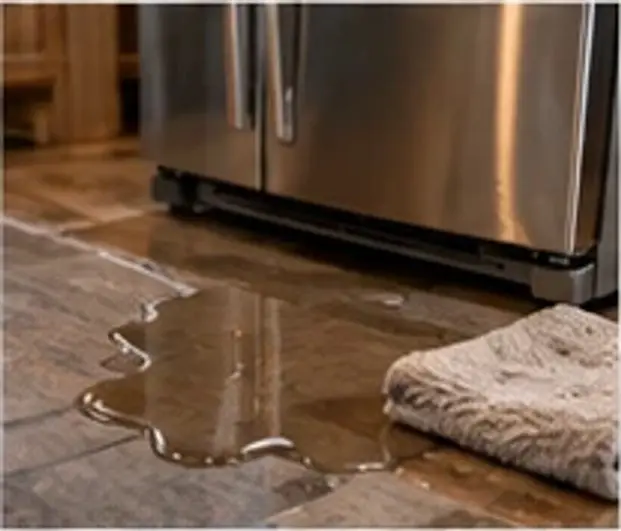
A puddle on the floor rarely sits directly under its source. Water runs along the cabinet bottom and across tile before it collects, so take a minute to look in a few specific spots before you move anything.
- Under the crisper drawers or on the freezer floor. Water or a sheet of ice inside the cabinet almost always means the defrost drain is blocked.
- At the front, under the doors. Common culprits are a drain pan that is cracked or overflowing, or a dispenser that drips after each use.
- Behind or beneath the fridge. This usually points to the water supply line, the inlet valve, or a loose fitting on the filter housing.
- Inside the door bins or near the filter. A filter cartridge that is not fully locked, or a cracked filter head, can drip into the fresh food section.
Dry the area completely, put a paper towel down at each suspect spot, and check again in a few hours. The towel that gets wet first is your answer.
Safe checks you can do yourself
Unplug the refrigerator or switch off its breaker before reaching behind or under it. If your fridge has a water line, close the shutoff valve as well, which is usually under the sink or behind the unit.
- Look at the leveling. Most refrigerators are meant to tilt very slightly toward the back so the doors swing closed and water flows to the drain. If the front sits lower than the rear, meltwater can spill forward. Adjust the front leveling legs or rollers so the front is a touch higher.
- Reseat the water filter. If the leak started right after a filter change, remove the cartridge and reinstall it until it locks firmly. Off-brand filters sometimes fit loosely and drip at the head.
- Inspect the supply line. Slide the fridge out carefully and follow the thin tube from the wall to the back of the unit. Look for a cracked plastic line, a loose compression nut, or a kink that has split.
- Check the drain pan. On many models the pan sits behind the bottom grille or at the back near the compressor. A crack or a pan knocked off its track lets defrost water reach the floor.
- Watch for condensation. In humid Atlanta summers, a door gasket that does not seal can let warm air in, and the moisture condenses and drips. Clean the gasket with warm soapy water and check that the door closes on its own.
How to clear a clogged defrost drain
Frost-free refrigerators melt frost off the cooling coil several times a day, and that water runs through a small drain hole into a pan underneath, where it evaporates. Food crumbs, mold or a plug of ice can block the hole, so the water backs up and pools under the crisper drawers or freezes on the freezer floor.
With the fridge unplugged, locate the drain opening. On many top-freezer and side-by-side models it is a small hole or trough at the back of the fresh food section or the freezer floor. Use a turkey baster to push warm water into the opening a little at a time. A flexible pipe cleaner can help loosen debris. When the water drains freely into the pan, the clog is gone.
If ice keeps blocking the drain every few weeks, the real cause is usually a defrost heater, drain heater or defrost control that is not doing its job. Clearing the drain will buy time, but the part needs to be diagnosed.
Leaks from the ice maker and dispenser system
Refrigerators with an ice maker or water dispenser have more places to leak because they are connected to household water pressure around the clock.
- Water inlet valve. This valve sits at the lower back of the fridge. A cracked valve body or a loose fitting can drip slowly or spray when it opens.
- Ice maker fill tube. If the fill tube freezes, water meant for the ice tray overflows into the freezer and can run onto the floor.
- Dispenser lines in the door. A worn line or fitting in the door can drip each time you get water.
- Filter housing. The plastic housing that holds the filter can crack with age or from overtightening.
If you suspect one of these, close the water shutoff and turn the ice maker off. The fridge will keep cooling normally while you arrange a repair. For ice and dispenser problems that go beyond a leak, see our ice maker repair page.
Limit water damage while you wait
A slow refrigerator leak can do more damage than a sudden one because it goes unnoticed. Water that seeps under vinyl, laminate or hardwood can warp the floor and reach the subfloor.
- Close the water supply valve to the fridge if the leak is coming from the water system.
- Lay towels along the front and sides of the unit and change them as they get wet.
- Empty the drain pan if it is accessible and full.
- Move food out of a crisper drawer that is sitting in water so it does not spoil.
Do not try to pull a full refrigerator across a wet floor. It is heavy, the floor is slippery, and the water line can tear if the unit moves too far.
When to call a technician
Book a repair if the defrost drain refreezes after you clear it, if water keeps appearing after you reseated the filter and checked the line, or if you can see water dripping from the inlet valve or anywhere inside the back panel. Also call if the leak comes with cooling problems, since a defrost failure often causes both.
Mr. Fixer handles refrigerator repair across Metro Atlanta, including drain heaters, inlet valves, filter housings and dispenser lines for brands like Samsung, LG, Whirlpool and GE. The $80 diagnostic is credited toward the repair, and you get a written estimate first. Call (678) 866-3669 or schedule online.
Need it fixed?
Our technicians handle refrigerator repair across Metro Atlanta, usually the same day. Diagnostic from $80, credited toward your repair.
Call (678) 866-3669FAQs
Is it safe to keep using a refrigerator that is leaking water?
Usually yes, as long as the water is not near an outlet or wiring. Shut off the water supply if the leak is from the ice or dispenser system, keep towels down, and get the cause fixed soon to protect your floors.
Why is there water under my crisper drawers?
Water under the crisper drawers almost always comes from a blocked defrost drain. Flushing the drain opening with warm water usually clears it, but if it keeps coming back, the defrost heater or drain heater may have failed.
Can a new water filter cause a refrigerator leak?
Yes. A filter that is not fully locked in, or a non-matching cartridge that fits loosely, can drip at the filter head. Remove it and reinstall it firmly, or try the manufacturer's recommended filter.
More repair guides
Refrigerator Not Cooling? Common Causes and What to Check
A refrigerator that stops cooling is most often dealing with dirty condenser coils, a failed evaporator or condenser fan, a defrost problem that has i…
Read the guide →
Samsung Refrigerator Not Cooling: Causes and Fixes
When a Samsung refrigerator stops cooling, the most common cause is ice building up on the evaporator coil behind the freezer's back panel because par…
Read the guide →
Refrigerator Making Noise? Normal Sounds Versus Warning Signs
Refrigerators make a range of normal sounds, including a low hum, gurgling refrigerant, cracking ice and the click of controls. Noises worth attention…
Read the guide →